
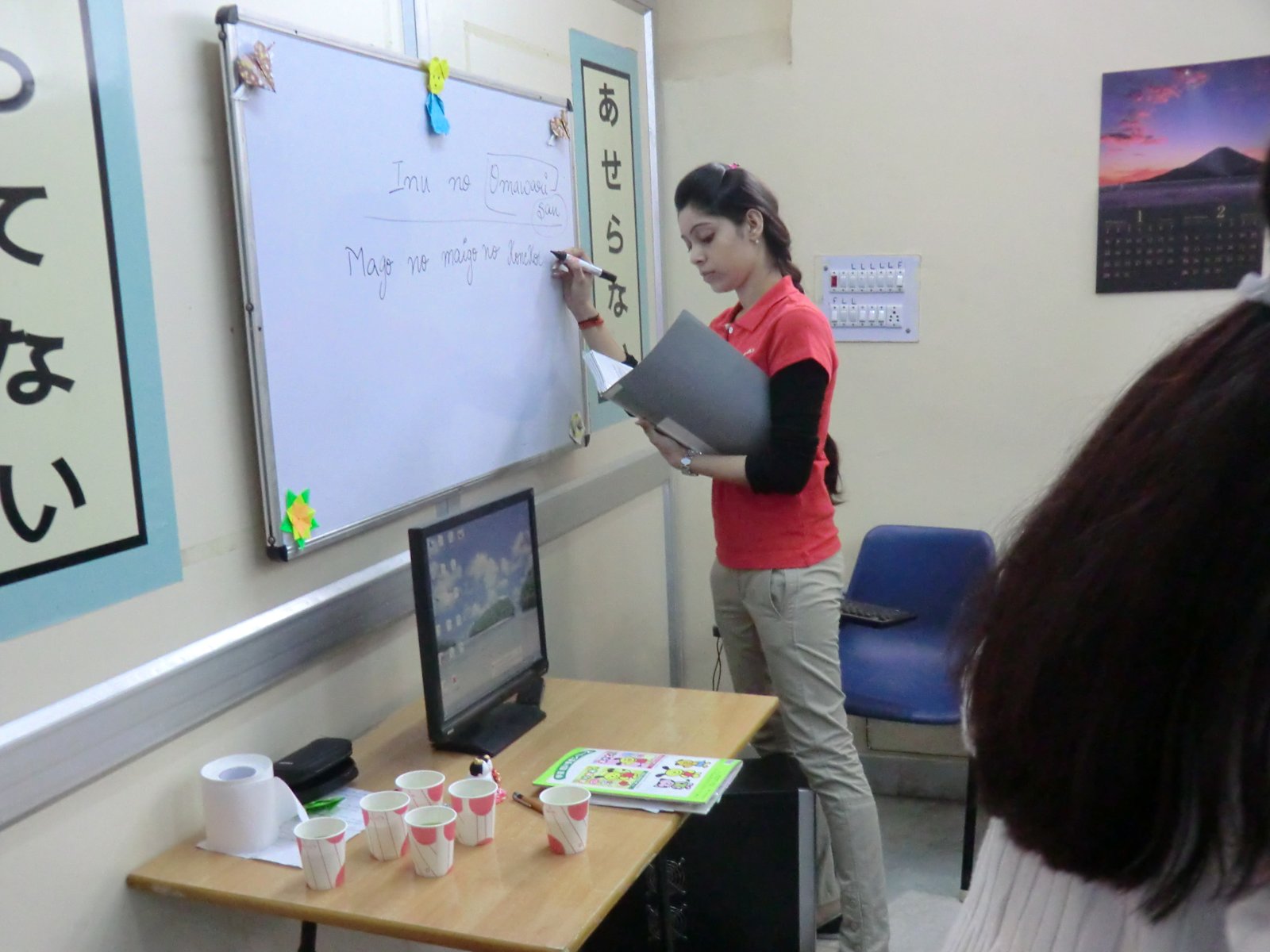
Japanese has become one of the most popular languages to learn today. From anime and technology to career opportunities in global companies, many people are exploring ways to start their Japanese language learning journey. However, one common question beginners face is where to learn Japanese and which method actually works.
Choosing the right place or method can make a huge difference. It can affect how quickly you learn, how confident you feel while speaking, and whether you stay consistent or give up midway.
Why the Right Learning Environment Matters
Learning Japanese is not just about memorizing words. It involves understanding grammar, pronunciation, and cultural context. The place you choose to learn plays a major role in your success.
Here is why it matters:
● Better quality of learning
A structured environment helps you understand concepts clearly instead of guessing.
● Faster progress
With proper guidance and resources, you can move step by step without confusion.
● Improved speaking skills
Regular practice with teachers or peers builds confidence and fluency.
Top Ways to Learn Japanese
There is no single “best way” to learn Japanese. The right method depends on your goals, schedule, and budget. Below are the most common options.
Language Institutes
Language institutes are one of the most reliable options for beginners.
What they offer:
● Structured courses from beginner to advanced level
● Experienced teachers
● Regular speaking and listening practice
● Certification programs
Who it is best for:
● Students preparing for exams like JLPT
● Professionals aiming for career growth
● Learners who prefer classroom discipline
This is often considered the best way to learn Japanese if you want serious and consistent progress.
Online Learning Platforms
Online learning has become extremely popular due to flexibility.
What you get:
● Live classes or recorded lessons
● Mobile apps and interactive tools
● Learning anytime and anywhere
Popular learning formats:
● Language apps
● Video-based courses
● Online tutors
Advantages:
● Flexible timing
● Affordable options
● Wide range of resources
This is ideal if you have a busy schedule or prefer learning at your own pace.
Self-Study at Home
Many people start Japanese language learning at home using books and free resources.
What you can use:
● Textbooks for beginners
● YouTube lessons
● Free websites
● Flashcards and vocabulary apps
Benefits:
● Learn at your own pace
● No cost or low cost
● Freedom to choose resources
Challenges:
● Lack of structure
● No feedback on mistakes
● Hard to stay consistent
Self-study works well for motivated learners but may require extra discipline.
Online vs Offline Learning: Which is Better?
Both online and offline learning methods have their advantages and limitations.
Online Learning
Pros:
● Flexible schedule
● Learn from anywhere
● Wide variety of tools
Cons:
● Less personal interaction
● Requires self-discipline
Offline Learning
Pros:
● Face-to-face interaction
● Better speaking practice
● Structured environment
Cons:
● Fixed schedule
● Higher cost
● Travel required
There is no single right answer. Many learners combine both methods for better results.
How to Choose the Right Learning Option
Choosing the right method depends on a few important factors.
1. Your Goal
Ask yourself:
● Do you want to learn Japanese for travel, career, or exams?
● Are you aiming for fluency or basic conversation?
2. Time Availability
● If you have limited time, online learning is a good option
● If you can commit daily, structured classes work well
3. Budget
● Institutes can be expensive
● Online platforms offer affordable alternatives
● Self-study is the most budget-friendly
4. Learning Style
● Prefer guidance → Choose institutes
● Prefer flexibility → Go for online learning
● Prefer independence → Try self-study
Why Structured Learning Makes a Difference
Many beginners struggle because they do not follow a clear path. Structured courses solve this problem.
Benefits of structured learning:
● Step-by-step progression
● Clear understanding of grammar
● Regular practice and revision
● Faster improvement
Instead of randomly learning words, you build a strong foundation. This is especially important for beginners.
Conclusion
Learning Japanese is an exciting journey, but choosing where to learn Japanese is the first and most important step. Whether you choose a language institute, an online platform, or self-study, the key is consistency and the right approach.
If you are serious about mastering the language, combining structured courses with regular practice is often the best way forward.