Many beginners don't know how to read Japanese because there is no familiar ABCs in sight. But it is not as scary as it looks. Once you understand the concept of code then you will find Japanese is one of the most rewarding parts of the language learning journey.
Japanese follows consistent pronunciation rules that clear writing patterns and with right approach, daily practice and yeah patience which we have seen most people lose it when they started learning any language. Beginners can start reading simple Japanese much sooner than expected with right guidance. In this guide we will discuss how is it actually hard to read Japanese and how the writing system words.
How Hard Is It Read Japanese for beginners?
Japanese looks complex because it uses a combination of phonetic characters and symbols that represent ideas despite sounds alone and this is very different from English, which result beginners often feel overwhelmed at first few weeks.
You will find it very difficult to learn at first because you must memorize new shapes instead of a few familiar letters. But once you learn Japanese alphabets or the scripts then the Japanese pronunciation is much more consistent than English. A character always sounds exactly same way in Japanese.
In short, for newcomer Japanese can feel challenging, but it becomes easier and more logical when you start grow in it.
Understanding the three Japanese writing system
If you want to know how to read Japanese then you must understand writing structure, that it has three different scripts: Hiragana, Katakana and Kanji.
1. Hiragana: The foundation
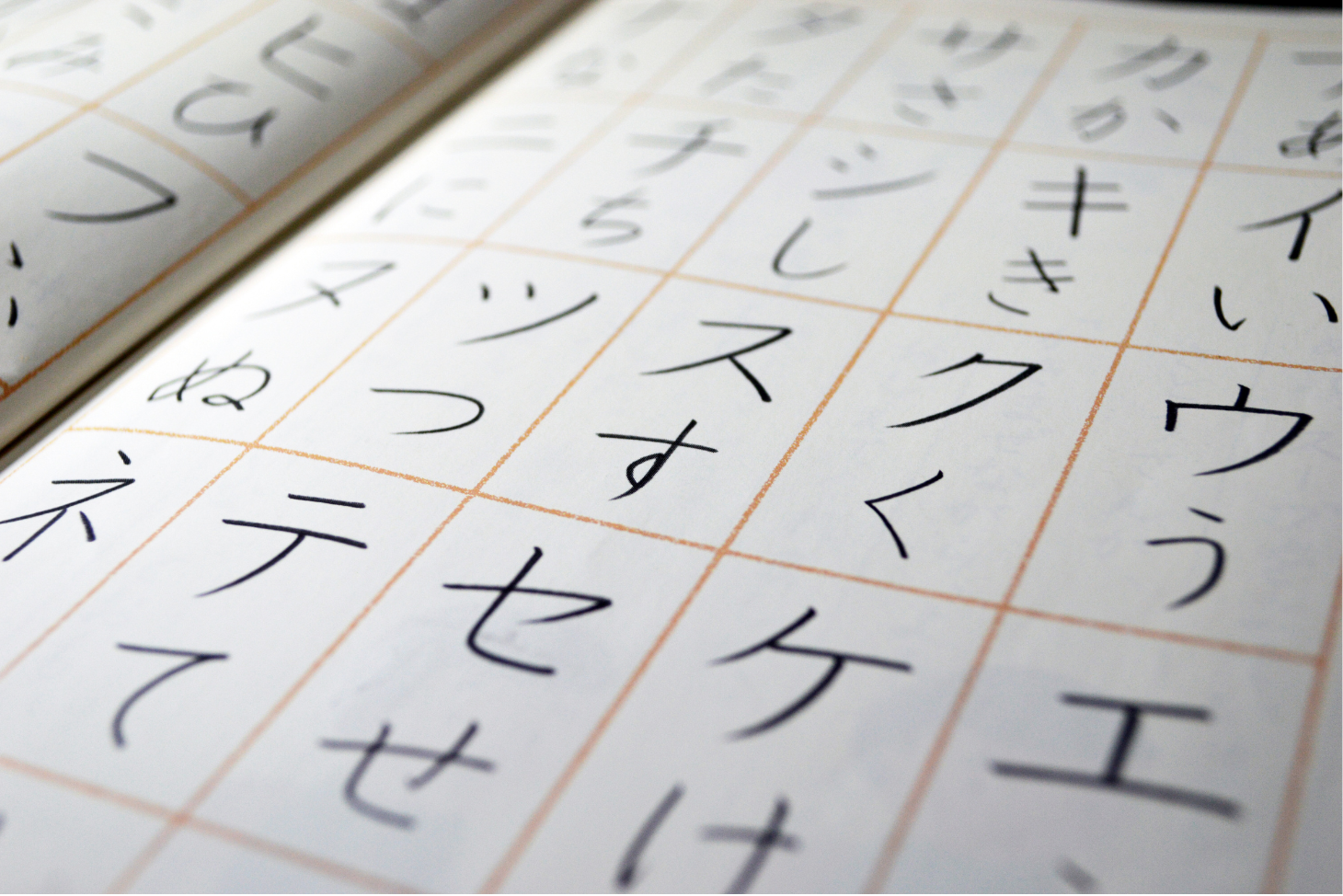
Hiragana is the primary script which consists of 46 basic Japanese characters, or you can say Japanese alphabet, that represent sounds. It is used for reading and pronounce any Japanese sentence.
2. Katakana: For Foreign words
It is used for foreign loanwords, names of countries and sounds effects. For example, Camera becomes kamera (カメラ)
3. Kanji: The Meaning Makers
Kanji are symbols which represent a concept of the words rather than just a sound. There are thousands of kanji but if you learn the most common words then you can read most of your daily materials.
Which Japanese Script Should You learn First?
1. Hiragana first: You have to learn hiragana. It will help you to move away to learn Romaji and also help you to understand the rhythm of the language.
2. Katakana second: You must spend a week mastering katakana.
3. Kanji Gradually: You should not try to learn Kanji words on day one. You can learn kanji with your basic vocabulary and grammar lessons.
How Hard is it read Japanese for beginners?
The realistic breakdown for most beginners:
· Hiragana: 1 to 2 weeks
· Katakana: 1 to 2 weeks
· Basic Kanji (N5 Level): 3 to 6 months
· Simple Text (Children’s books/Manga): 6 months to 1 year
A step-by-step wat to start reading Japanese
Step 1: Master the sounds
Japanese language has five basic vowels: A, I, U, E, O.
· A sound like “ah” in father
· E sounds like “eh” in pet
· I sound like “ee” in feet
Step 2: Use Flashcards for Hiragana
Use apps like Anki which helps you to focus on recognizing the character and saying the sounds out loud.
Step 3: Practice Sounding out words
You should not worry about the meaning. Instead, find a text written in Hiragana and practice “decoding”.
Step 4: Build Basic Sentences
Learn how to spot “particles” like は (wa) or を(o) which acts like anchors in a sentence, telling you who is doing what.
Common Mistakes When Learning to Read Japanese
· Relying on Romaji: if you keep reading Japanese written in English letters then you brain will never keep up with Japanese scripts.
· Skipping writing practice: Writing the character helps your brain recognize the stroke order which makes reading much faster.
· Ignoring context: Some Japanese words sound the same but have different kanji. Pay attention to the surrounding words.
How to practice reading Japanese daily
· Apps: You can use Duolingo for your language learning.
· Labels: You can put sticky notes on items around your house with their Japanese names written in Hiragana which help you to memorize them.
· Social media: You can follow Japanese accounts or artists on Instagram and try to read their short captions which can make a major effect on your reading.
· Manga: You can read manga which often uses furigana.
Learn Japanese with NihongoMax
If you are serious about mastering Japanese language, then NihongoMax is offering you a beginner-friendly Japanese lessons which is designed to become fluent on reading and speaking quickly. NihongoMax has a flexible online learning platform which will fit into any type of schedule. Join it and get the guidance of our experienced educators.
Conclusion
Learning how to read Japanese is marathon, not a sprint. Japanese has three writing system which beginner may feel challenging first but once you find clarity and structure it becomes easier and consistent than any other language learning. First beginner needs to start with hiragana then stay consistent and gradually you move to clarity of Japanese concepts and remember that every character you learn is a steppingstone toward fluency and deeper connection with Japanese culture.
FAQ
Q1. Can I read Japanese without learning kanji?
Ans. You can read children’s material using hiragana at first, but it is essential to learn kanji to read fluently newspapers, websites and adult level content.
Q2. What should beginners read first?
Ans. Starting with hiragana text like simple dialogues and children’s books, don’t just directly rush to complex material it will ruin your learning desire for Japanese.
Q3. Fastest way to memorize hiragana?
Ans. Start with daily reading practice and flashcards after reading flashcards you can practice writing each character that also helps to improve recognition speed.
Q4. Do I need to memorize all three Japanese scripts at once?
Ans. No. Beginners should start with hiragana than move to katakana, and it might take a long time to learn kanji alongside vocabulary and grammar so, don’t panic language takes time to become fluent on it.